About
Two hundred and thirty-nine years in the mountains
Chartered in 1786, St. Estè remains an independent university governed by its founding statutes.
History
Origins of the charter
In the spring of 1786, eleven families of the Upper Rhône Valley petitioned the cantonal assembly for the right to found a studium of law, medicine and letters. The charter was granted that November, and the first lectures were delivered in the winter refectory of a former abbey — the building that now forms the west range of the Palais d'Étude.
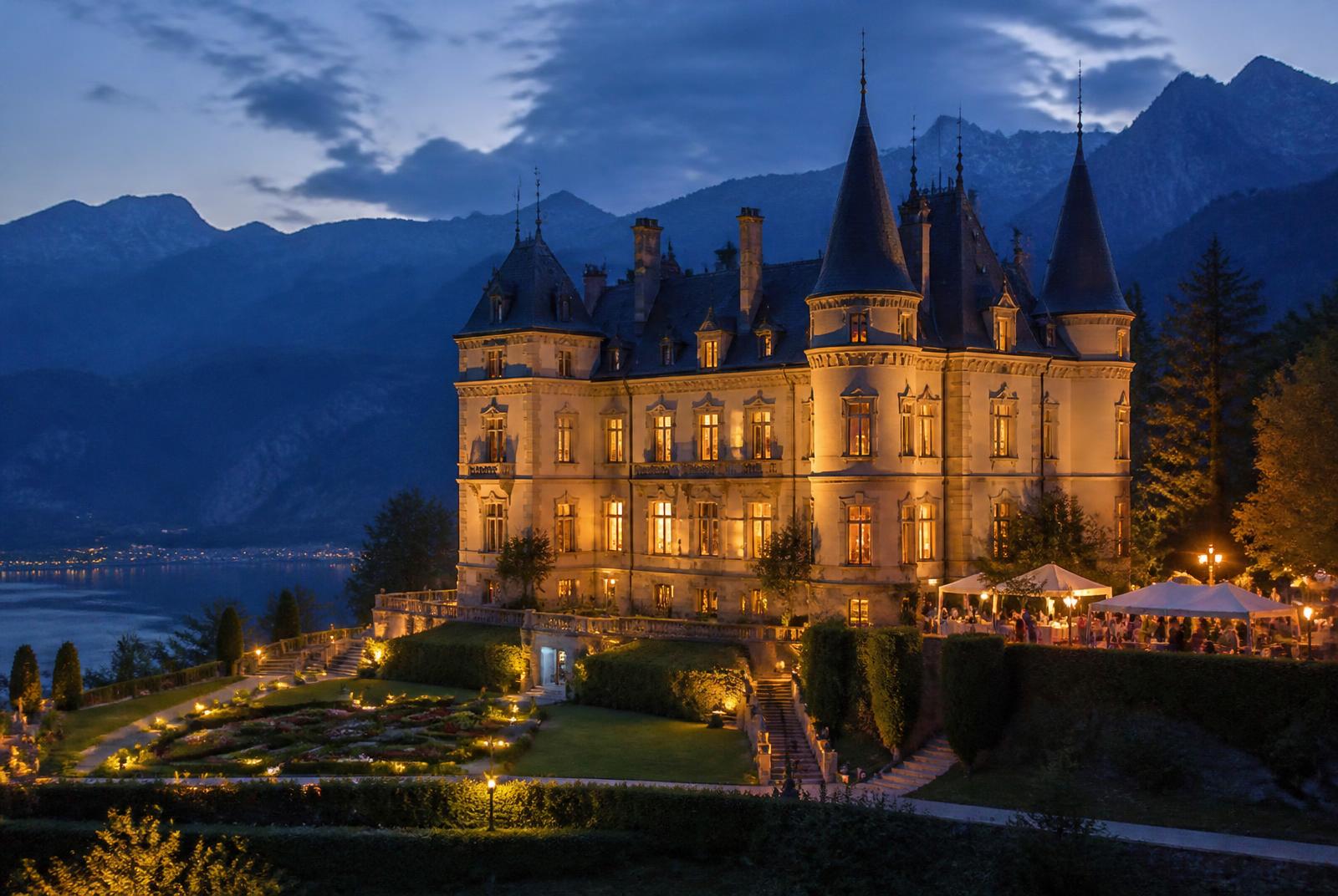
The nineteenth century brought expansion: the medical faculty in 1834, the observatory in 1861, and the great neo-Gothic building programme that gave the campus its present silhouette. The Château de Lumière, completed in 1879 as a private residence, was bequeathed to the university in 1912 and has hosted the Founder's Ball ever since.
The twentieth century added engineering and the natural sciences, and with them the alpine field stations that continue to distinguish St. Estè research. The university has never been nationalised, never merged, and has held its independence through two world wars.
Mission
Why the university exists
To advance knowledge through disciplined enquiry, and to educate men and women capable of exercising judgement in public and professional life. The motto Lux et Scientia — Light and Knowledge — has appeared on the university seal since the first charter.
Rigour
Standards are set once and held. Assessment is demanding, supervision is close, and no allowance is made for reputation or lineage.
Independence
The university answers to its charter and its scholars. Research agendas are set within the faculties, not by patrons.
Stewardship
We hold buildings, collections and a valley in trust. Each generation is expected to leave them in better condition.
Openness
Admission is by merit. Need-based support is decided separately from academic assessment, and always will be.
Campus & setting
A town of twenty-five thousand
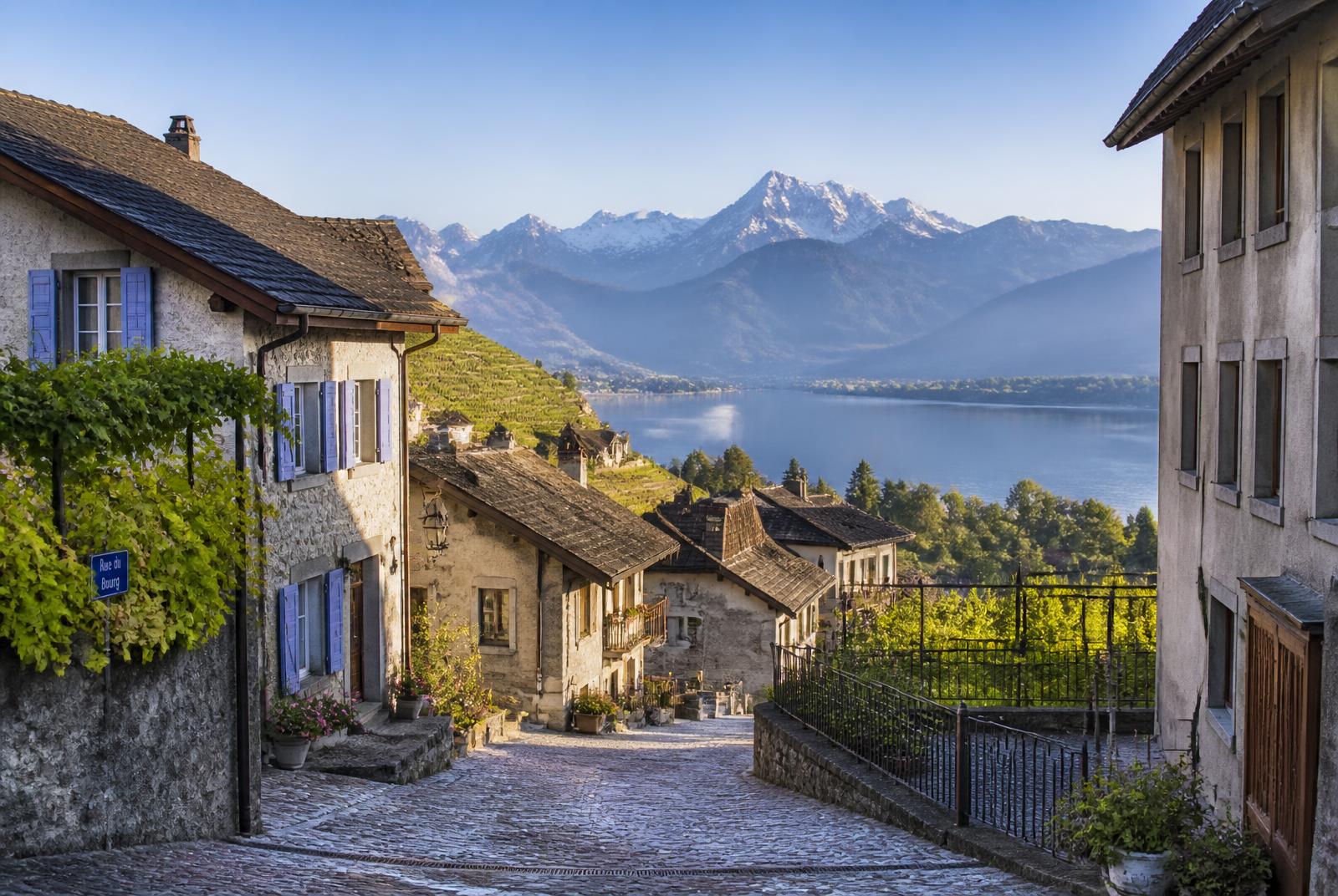
St. Estè sits in the Upper Rhône Valley in the canton of Valais, surrounded by terraced vineyards, evergreen forest and the peaks of the Pennine Alps. The town of roughly twenty-five thousand residents is reached by rail from Geneva in a little under two hours.
The campus occupies the eastern slope above the old town, its cobbled approach climbing from the market square to the Palais. Laboratories, studios and athletic facilities of the first order sit within, and often behind, nineteenth-century stone.
Governance
University leadership
Prof. Dr. Élise Marchand-Roux
Rector
Prof. Dr. Anton Villiger
Vice-Rector, Academic Affairs
Dr. Naomi Adeyemi
Vice-Rector, Research
Mr. Laurent Kessler
University Registrar
Ms. Ines Bertholet
Dean of Students
Mr. Tobias Ansell
Director of Athletics
Timeline
Two and a half centuries, in order
From the charter of 1786 to the seven schools of the present university.
1786
The charter
Eleven valley families petition the cantonal assembly; the studium of law, medicine and letters is granted its charter that November.
1821
The first halls
The oldest residential hall opens within the campus walls, establishing the system of hall dining and pastoral care still kept today.
1834
Faculty of Medicine
The medical faculty is founded, beginning the university's long work in alpine physiology.
1861
The observatory
Built on the ridge above the campus, and still used for undergraduate teaching.
1879
Château de Lumière
Completed as a private residence on the hill above the campus; bequeathed to the university in 1912.
1893
The bronze dragon
The dragon is cast and set in the Central Courtyard. Its left forepaw has been worn smooth ever since.
1904
The Captains' Wall
Varsity captains begin signing the wall of their own stadium or arena before graduating.
1968
Engineering and sciences
The modern laboratory wing opens behind the nineteenth-century stone, with the first alpine field stations following.
2014
The studio wing
Performance halls, film studios and design ateliers complete the arts quarter.
Today
Seven schools
Twenty-six degree programmes, students from ninety-four countries, and a campus of 620 acres.
Standing
Global reputation
St. Estè is consistently placed among the most selective institutions in continental Europe, with an admission rate below seven per cent and an entering cohort drawn from ninety-four countries. Its schools of law and medicine maintain formal partnerships with institutions in Geneva, Bologna, Kyoto and Boston.
Alumni serve on the benches of international courts, in the boards of European enterprise, in hospitals and conservatoires, and across the sciences. The university does not publish its endowment figure; it does publish, annually, the proportion of students receiving support — currently thirty-one per cent.